

2wai Launches First Social App Built Around Lifelike Avatars
2wai has released a mobile app that creates a personal “digital twin” in about three minutes. The app is free. The pitch is control of your likeness, your words, and your data.
How It Works, Step by Step
Quick capture
Anyone 18+ can use a phone camera to build a lifelike HoloAvatar. A short guided flow sets face shape, movement, and voice settings.
Set the knowledge base
2wai uses its FedBrain system to gate what the avatar can say. You approve facts, notes, and voice memos before they become part of the avatar’s memory. You decide what stays private.
Talk, post, and save
The avatar can hold face-to-face conversations, respond to fans, and store journals. Families can add stories and audio clips to capture moments that would otherwise disappear.
Why This Lands Now
Avatars are not new. Second Life leaned on fully built virtual spaces. Meta avatars and Bitmoji focus on stickers and short animations. Fun, yes. Conversation, no. Ownership, limited. 2wai pushes on the missing piece: user control over content and speech. That single feature sets a different tone for creators and families who care about rights and consent.
What “Control” Means Here
Control means choice. You choose the voice. You choose the stories. You choose what the avatar can reference. No mystery training set. No hidden prompts. For creators who work across platforms, that matters. It keeps brand, tone, and claims inside a clear fence.
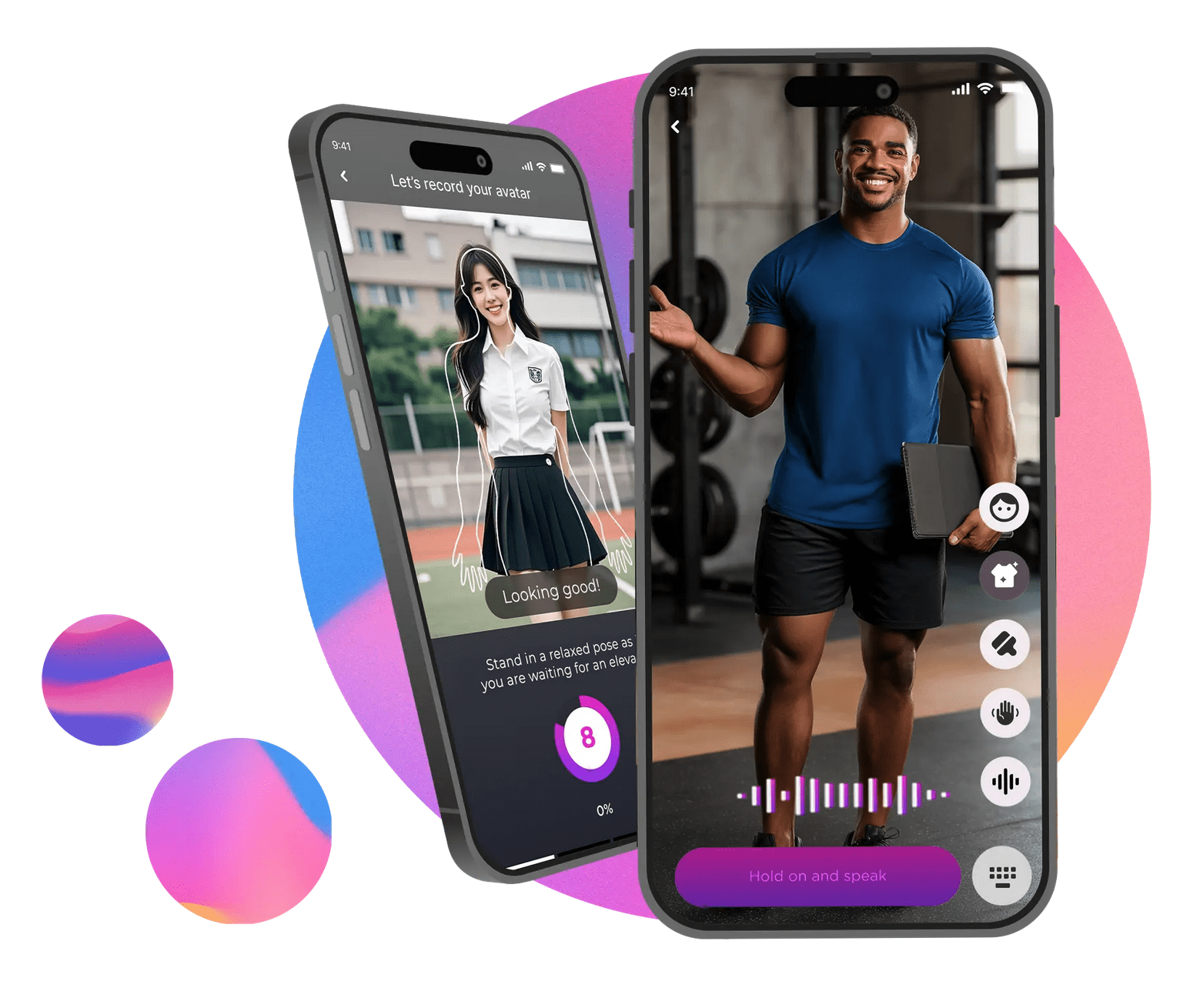
Side-by-Side: 2wai vs. Popular Avatar Options
Visual style and purpose
Bitmoji and Meta avatars: stylized, cartoon-forward, built for reactions and stickers. 2wai HoloAvatar: lifelike, built for conversation and memory.
Ownership and speech
Legacy systems: platform-centric controls and limited speech. 2wai: user-approved knowledge via FedBrain, with a defined “what it knows” layer.
Use cases
Legacy systems: quick expression. 2wai: legacy archiving, always-on creator presence, multilingual fan engagement.
Market Context You Should Know
Creators want scale without giving up rights. Families want archives that feel alive, not cold folders in cloud storage. An avatar that can talk, in your voice, with facts you approved, solves both needs at once. The value rises as more fans ask for replies at odd hours and as more families record stories that would otherwise fade. Repetition is the point here: control of likeness, control of words, control of reach.
Privacy, Rights, and Real Risks
This space sits next to live debates on deepfakes and consent. Likeness rights cover face, voice, and signature style. 2wai’s model puts a lock on inputs: pre-approved data, logged additions, and a studio that records who added what. That helps. It does not erase risk. If an avatar leaks private facts once, the copy spreads. My rule of thumb: do not load anything the real you would not say on stage with a microphone and cameras rolling.
Adoption Hurdles No One Should Ignore
Consumers already juggle Instagram, TikTok, X, and more. A new social surface must earn a spot in the daily tap list. 2wai will need a flywheel: creators seed content, fans engage, replies feel authentic, and retention holds. Families are a different path. If recording grandma’s stories feels simple and the results feel real, that alone can drive repeat use.
Where This Fits for Creators
Creators can deploy an always-on avatar that chats in 40+ languages. It can handle fan FAQs, product details, and tour dates. It can collect questions and surface patterns. Think of it like a managed inbox that talks. The key is governance: write the guardrails, test responses, and audit logs weekly. SEO (Search Engine Optimization) teams will also care. Clear, consistent facts in avatar replies reduce stray claims that spill onto public pages and crowd search results with noise.
My Take
Every few years a company says avatars will change how we talk online. Most fade because they feel like toys or because control sits with the platform, not the person. 2wai reads more serious. The three-minute setup matters. The FedBrain gate matters. If the company keeps the controls simple and the audit trail clear, this can earn trust from creators who have been burned before.
Regulation and Trust Signals to Watch
Labels and disclosures
Expect stronger rules on AI-generated media. Clear badges on avatar speech will help avoid confusion and keep brands out of trouble.
Data residency and consent
Creators and families will ask where audio and video live, how long they live there, and how deletion works. Straight answers will win deals.
Verification
Fans need proof the avatar speaks for the person it claims to represent. Strong verification and visible policy links reduce fraud and fake accounts.
Voices from 2wai
CEO Russell Geyser frames the pitch around saved memories and real conversations. Co-founder Calum Worthy flags creator control: face equals brand, and the app keeps the owner in the driver’s seat.
Availability and Next Steps
The early access iOS app is live now. The company signals future features and broader platform reach. Creators can start with low-risk use: fan FAQs, tour logistics, product support. Families can start with short stories and voice notes.
Practical Setup Tips
For creators
Write a content matrix: topics allowed, topics blocked, phrases to use, phrases to avoid. Test in a private group. Log weekly audits. Align avatar replies with brand guidelines and legal review.
For families
Record dates, places, and names with each story. Short clips beat long rambles. Add photos with captions. Back up exports twice—local and cloud.
2wai moves avatars from stickers and skits to talk and memory. The promise is simple: fast setup, clear consent, and control of what gets said. If that promise holds, creators gain scale without giving up rights, and families gain a living archive that feels personal. The idea is bold. The home